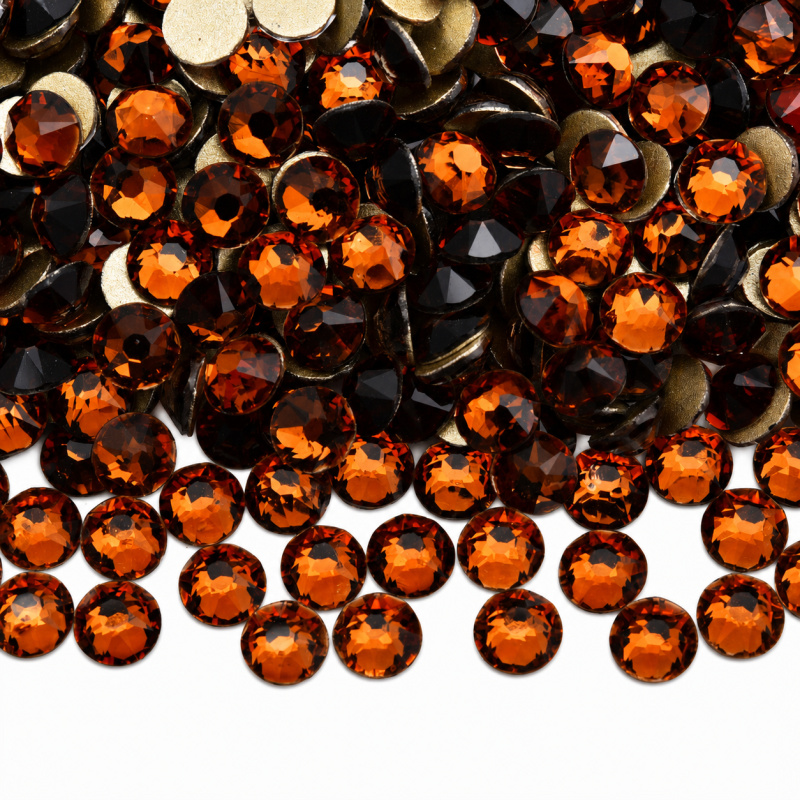
When it comes to embellishing fabrics and accessories with rhinestones, two primary methods dominate the scene: hotfix and glue application. Both methods have their unique strengths and serve different purposes in crafting, fashion design, and accessory decoration. While hotfix rhinestones have heat-activated adhesive backing, glued rhinestones rely on external adhesives to stay in place. This article delves into the nuances of each technique, exploring aspects such as ease of use, time efficiency, durability, and aesthetic outcomes, among others. Additionally, it highlights the relevance of Non Hot Fix Rhinestones in the market, discussing wholesale and custom options.
Understanding Rhinestone Application Methods
● Differences Between Hotfix and Glue Methods
Hotfix rhinestones are popular among designers due to their convenience. They come with a heat-activated adhesive that bonds with fabric when heated, usually through tools like a heat press or an iron. This method is ideal for attaching rhinestones to materials that can withstand heat, such as cotton and some synthetics. On the other hand, glued rhinestones require an external adhesive to adhere to surfaces, which can range from fabric to glass or plastic. This method offers versatility since it isn't restricted by heat-resistant materials.
● Common Uses for Each Technique
Hotfix rhinestones are perfect for large-scale applications like garment manufacturing, where speed and consistency are crucial. They are frequently used to adorn T-shirts, dresses, and uniforms. The glue method is more prevalent in crafting individualized designs that require precision and control. Glue is often the go-to choice for custom projects or when working with surfaces that cannot endure heat, such as delicate fabrics or intricate accessories.
Ease of Use: Hotfix vs. Glue
● Steps Involved in Applying Hotfix Rhinestones
The hotfix application is relatively straightforward. After positioning the rhinestones on the fabric, a heat tool is applied to activate the adhesive. This process is quick, but it requires careful temperature control to avoid damaging the fabric or melting the stones. Tools like rhinestone applicator wands can make the process easier, especially for beginners.
● How to Properly Glue Rhinestones
Applying glue requires a more meticulous approach. The right type of adhesive must be selected for the surface in question—typically, something strong and flexible like E6000 or Gem-Tac. After carefully applying the glue to the back of the rhinestone, the stone is placed onto the desired location and allowed to dry. This method enables greater control in placement, making it ideal for detailed work.
Time Efficiency: Quick vs. Careful Application
● Time Required for Hotfix Application
The hotfix method is generally quicker, as the adhesive activates almost instantly with heat, allowing for rapid application across a large area. This makes it a favorite in manufacturing environments focused on efficiency. With adequate practice, the setup and application can be done swiftly, reducing downtime.
● Drying Times and Setup for Glue
Gluing rhinestones, however, can be time-consuming. The setup requires patience, and the drying time varies based on glue type and environmental conditions. While this approach allows for intricate design work, it necessitates additional time for drying and may require temporary arrangements to ensure stones don't shift during the process.
Durability and Longevity of Each Method
● Adhesion Strength of Hotfix Rhinestones
Hotfix rhinestones offer strong adhesion, particularly when applied correctly. The bond withstands regular wear and washing, making it ideal for clothing expected to endure frequent use. However, the durability largely depends on the fabric type and the quality of the hotfix stones.
● Longevity of Glued Rhinestones
Glued rhinestones can achieve comparable longevity when the appropriate adhesive is chosen. The type of glue plays a critical role; for instance, some glues may yellow over time or lose adhesion if exposed to excessive moisture. Proper application and curing are essential for achieving a durable bond.
Material Compatibility and Limitations
● Fabrics and Surfaces Suitable for Hotfix
The hotfix method is limited to materials that can tolerate heat, such as cotton, polyester, and similar blends. This restriction can pose challenges when designers wish to embellish heat-sensitive fabrics like silk or leather. However, the method excels in uniform application across compatible fabrics.
● Glue Types and Their Compatible Materials
Gluing provides more flexibility with material choice, as there is a range of glues designed for specific materials. Non Hot Fix Rhinestones can be attached to a variety of surfaces, including delicate fabrics, paper, and metal. This versatility allows for broader creative exploration, making it the choice for custom non hot fix rhinestones and projects requiring intricate placement.
Aesthetic Outcomes: Which Looks Better?
● Shine and Appearance with Hotfix
Rhinestones applied with the hotfix method tend to integrate seamlessly with fabric, providing a neat and polished finish. The heat application ensures a flat and uniform look, enhancing the stones' sparkle. This technique is particularly effective in achieving a professional, factory-finish aesthetic.
● Effect of Glue on Rhinestone Sparkle
Glued rhinestones can achieve a similar level of sparkle; however, the aesthetic outcome largely relies on the glue's clarity and application precision. Excess adhesive can dull the stone's shine, making careful application crucial. Despite this, glue allows for versatile and creative designs, highlighting individuality and customization.
Cost Considerations: Budgeting for Rhinestone Projects
● Costs Associated with Hotfix Tools and Supplies
The initial investment for hotfix applications can be significant, requiring the purchase of heat tools. However, once the setup is complete, the ongoing cost is relatively low, as hotfix rhinestones are available at competitive rates, especially when purchased wholesale.
● Pricing of Specialized Rhinestone Glues
Gluing rhinestones involves ongoing expenses for adhesives, which can add up over time, especially when using high-quality, long-lasting glues. However, the ability to purchase Non Hot Fix Rhinestones at wholesale prices can offset these costs, making it affordable for large-scale or ongoing projects.
Versatility in Design and Placement
● Precision and Flexibility with Hotfix
While hotfix offers quick application, it is less flexible in terms of design alterations. Once adhered, removing or repositioning stones can be challenging. This method is best suited for straightforward designs where the uniformity is more important than intricate detail.
● Creative Possibilities with Glue Application
The glue method shines in its adaptability, accommodating a wide range of design possibilities. With patience and skill, designers can create complex patterns and place rhinestones in intricate positions. This makes it the preferred choice for custom non-hot fix rhinestones where a bespoke touch is desired.
Safety and Environmental Impact
● Heat-Related Risks in Hotfix Process
Using heat tools introduces certain risks, such as burns or fabric damage if not used carefully. Safety precautions should be taken to mitigate these risks, particularly in a home or small studio setting without industrial safety measures.
● Chemical Considerations with Glue Usage
The use of chemical adhesives raises concerns about environmental impact and safety. Proper ventilation and protective equipment are recommended to minimize inhalation of fumes. Selecting environmentally friendly adhesives can reduce this impact, aligning with sustainable crafting practices.
Final Verdict: Choosing the Right Method for You
● Factors to Consider in Your Decision
Choosing between hotfix and glue depends on several factors, including the project scale, material type, design complexity, and budget considerations. Each method has unique benefits and limitations, making it essential to assess individual project needs.
● Personal Preference and Project-Specific Needs
Ultimately, personal preference plays a significant role. Those favoring speed and uniformity may opt for hotfix, while designers seeking creative freedom and material versatility might prefer glue. Non Hot Fix Rhinestones offer flexibility and customization, aligning well with varied design requirements.
Company Instruction
OLEEYA INDUSTRY CO., LTD., established in 2000 and based in Yiwu, Zhejiang, China, is a premier manufacturer, exporter, and wholesaler of various rhinestones. The company offers over 300 colors and numerous sizes, providing non hot fix rhinestones, hotfix, sew-on stones, and pearls. With competitive pricing, large stock availability, and prompt delivery, Oleeya's products are favored worldwide. Their commitment to quality and customer satisfaction has earned them a strong reputation, supported by SGS certifications and a continuous drive for innovation. Oleeya invites global partnerships to achieve mutual success and growth.
Post time: 11 26,2024
 No. J78-2, Chengbei Road, HouzhaiIndustrial Zone, Yiwu City, ZhejiangProvince,China(Mainland),322000
 008@oleeya.com
 8619898886579