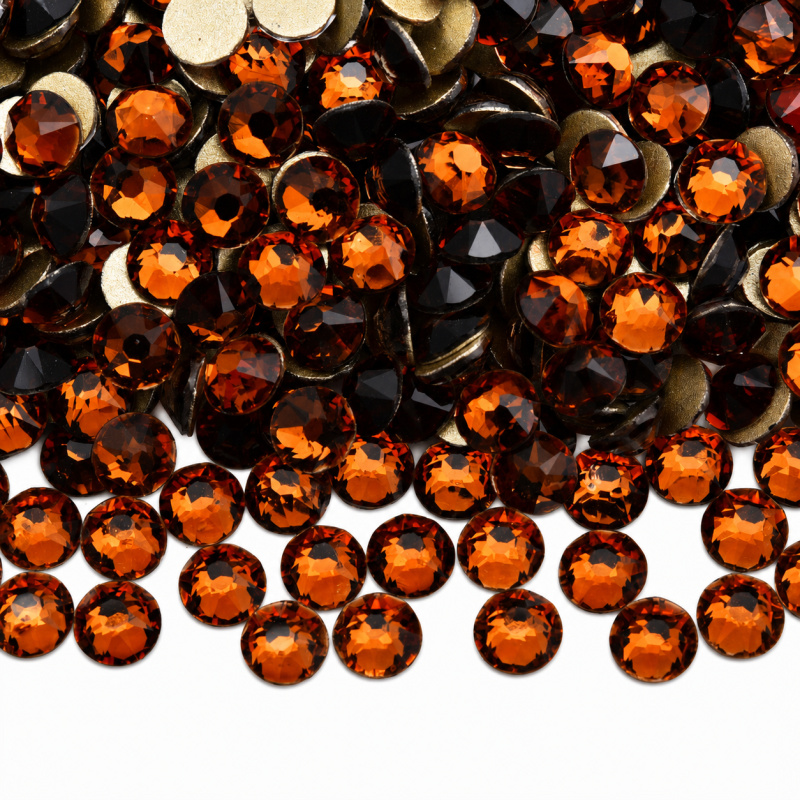
Introduction to Rhinestones: Glass vs Resin
Rhinestones are a popular choice for adding sparkle and elegance to various projects, from fashion and accessories to home decor. While both glass and resin rhinestones serve this purpose, they differ significantly in terms of material composition, visual appeal, cost, durability, and other factors. Understanding these differences can help you make an informed decision when selecting rhinestones for your project.
Material Composition Differences
Materials Used in Glass Rhinestones
Glass rhinestones are crafted from high-quality glass, often lead crystal, which enhances their clarity and brilliance. The precise cutting and polishing of glass rhinestones result in superior light reflection, making them an excellent choice for projects where maximum sparkle is desired.
Materials Used in Resin Rhinestones
Resin rhinestones, on the other hand, are made from a type of plastic known as acrylic. This material allows for a wide range of shapes and colors, providing versatility for different design needs. However, resin lacks the inherent sparkle and reflective qualities of glass, which can affect the overall visual impact.
Visual Appeal and Brilliance
Sparkle and Clarity of Glass Rhinestones
Glass rhinestones are renowned for their exceptional sparkle and clarity. Thanks to their multi-faceted surfaces, glass rhinestones reflect light brilliantly, creating a dazzling effect that is hard to match. Designs using glass rhinestones are often viewed as luxurious and high-end.
Color Variety and Finish of Resin Rhinestones
While resin rhinestones may not match the brilliance of glass, they offer a broader color palette. This diversity in hues allows designers to match specific color schemes or create unique patterns. However, the finish of resin rhinestones is typically less reflective, leading to a more subdued sparkle.
Cost Comparison: Pricing and Value
Cost Implications of Choosing Glass Rhinestones
Glass rhinestones are generally more expensive than resin options due to the quality of materials and the complexity of cutting processes. Projects requiring large quantities of rhinestones might find the cost of glass to be a limiting factor. However, if the goal is to achieve a premium, high-quality appearance, the investment can be justified.
Affordability and Budgeting with Resin Rhinestones
Resin rhinestones are cost-effective, making them ideal for budget-conscious projects. Despite their lower cost, they still offer significant aesthetic appeal. This affordability makes resin rhinestones popular in wholesale markets, where large quantities are desired without breaking the bank.
Durability and Longevity
Durability of Glass Rhinestones
Glass rhinestones are known for their durability and resistance to wear and tear. Their solid structure ensures that they maintain their sparkle over time, making them suitable for items subjected to frequent handling, such as jewelry or accessories.
Considerations for Resin Rhinestones
While resin rhinestones are durable, they are prone to scratching and may lose their luster faster than glass. In projects where the rhinestones may face pressure or rough conditions, it's essential to weigh the longevity needs against the cost benefits.
Weight and Practicality
Weight Considerations with Glass Rhinestones
Glass rhinestones are heavier than their resin counterparts. This added weight can contribute to a feeling of luxury and quality but may not be practical for all projects, especially those involving delicate fabrics or items meant for everyday wear.
Lightweight Benefits of Resin Rhinestones
Due to their acrylic composition, resin rhinestones are lightweight, making them ideal for clothing or items where weight is a concern. This feature can facilitate the creation of intricate designs without overwhelming the base material.
Ease of Use in Crafting
Crafting with Glass Rhinestones
The rigidity and weight of glass rhinestones may present challenges in certain crafting scenarios. Attaching them requires robust adhesives or settings to ensure they remain secure. Nonetheless, their aesthetic payoff often outweighs these challenges.
Resin Rhinestones in Creative Projects
Resin rhinestones are easier to work with due to their flexibility and lightweight nature. They can be glued more readily and are unlikely to cause damage to delicate surfaces, making them a preferred option for beginners and complex projects alike.
Project Suitability: Choosing the Right Type
Projects Best Suited for Glass Rhinestones
- High-end fashion accessories
- Luxury decor items
- Statement jewelry pieces
Ideal Applications for Resin Rhinestones
- Costume design
- Children's accessories
- Casual home decor projects
Environmental Considerations
Sustainability of Glass vs Resin Rhinestones
Glass rhinestones are generally considered more environmentally friendly due to their longevity and the recyclability of glass. Resin rhinestones, being plastic-based, contribute more to landfill waste. Sustainable crafting practices encourage the use of durable materials, even if the initial cost is higher.
Conclusion: Making an Informed Choice
When deciding between glass and resin rhinestones, factors such as budget, project requirements, and desired visual outcomes must be considered. Glass rhinestones offer unmatched sparkle and durability, suitable for high-end projects. Conversely, resin rhinestones provide affordability and versatility in color and shape, catering to a variety of design needs.
OLEEYA Provide Solutions
OLEEYA specializes in delivering high-quality rhinestone solutions tailored to your project's needs. Whether you're seeking the brilliance of glass rhinestones for a luxury finish or the versatile appeal of resin for a creative undertaking, OLEEYA ensures you receive the best quality at competitive wholesale prices. Trust OLEEYA, the best factory partner, to enhance your designs with the perfect rhinestone choice.

Post time: 11 11,2025
 No. J78-2, Chengbei Road, HouzhaiIndustrial Zone, Yiwu City, ZhejiangProvince,China(Mainland),322000
 008@oleeya.com
 8619898886579