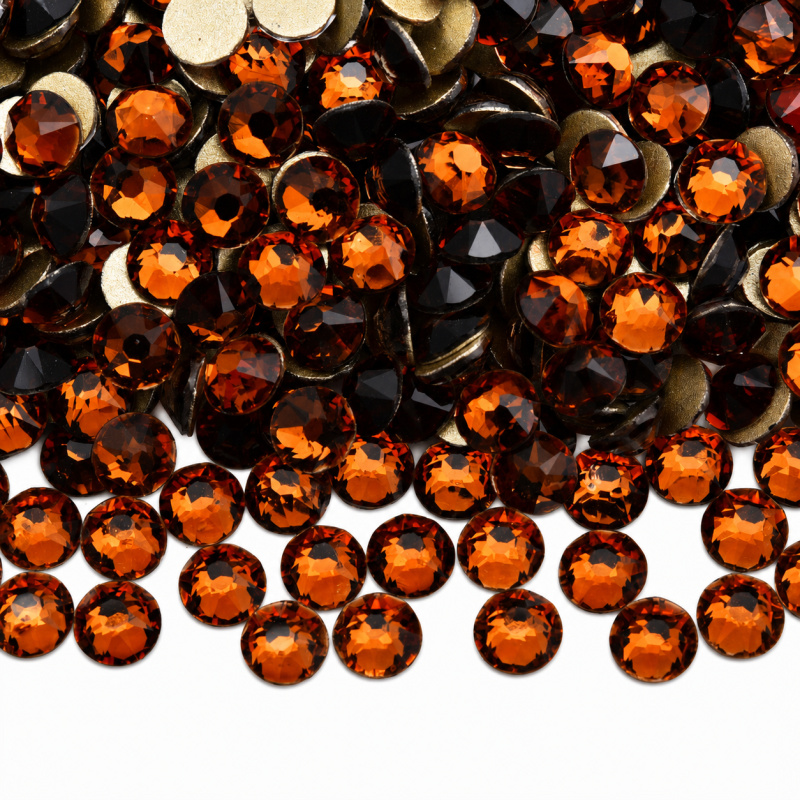
Material Composition: Resin vs. Glass Rhinestones
● Key Ingredients in Resin Rhinestones
Resin rhinestones are made from synthetic materials, primarily acrylic or epoxy resins. These materials are molded into different shapes and sizes to produce rhinestones that are light, flexible, and resistant to shattering. The resin is often mixed with various additives to enhance the stones' color, shine, and durability. Additionally, coatings and foils are sometimes applied to the back of the resin rhinestones to increase their reflective quality.
● Key Ingredients in Glass Rhinestones
Glass rhinestones are manufactured using silica sand, soda ash, and limestone, which are melted together to form glass. High-quality glass rhinestones may also contain a small amount of lead oxide, which adds to the stone's brilliance and refractive index. An application of metallic coatings or foils on the back of the glass enhances their reflection, making them shine similar to real gemstones.
Manufacturing Processes
● How Resin Rhinestones Are Made
The manufacturing of resin rhinestones involves injecting liquid resin into molds. Once the resin hardens, it is extracted from the mold and may undergo additional processes such as coloring, cutting, and coating. The ease of molding resin allows for extensive customization in terms of shapes, sizes, and colors, making them an excellent choice for custom sewable rhinestones.
● How Glass Rhinestones Are Produced
Producing glass rhinestones is a more intensive process. The raw materials are melted in furnaces at extremely high temperatures to create clear glass. The molten glass is then cut into rhinestone shapes, often using precision cutting techniques to achieve facets that enhance brilliance. Coating the backside with metallic foil or other reflective materials completes the process, making the rhinestones shine like diamonds.
Visual and Aesthetic Differences
● Shine and Sparkle Comparison
One of the most notable differences between resin and glass rhinestones is their shine and sparkle. Resin rhinestones, while visually appealing, generally have a less intense sparkle compared to glass rhinestones. The reason lies in the refractive index: glass, particularly lead glass, has a higher refractive index than resin, resulting in superior light reflection and brilliance.
● Color Variety and Transparency
Resin rhinestones offer a broader range of colors and hues compared to glass rhinestones. This versatility comes from the ease of adding dyes and pigments to the resin during the manufacturing process. On the other hand, glass rhinestones are often more transparent and clear, lending them a gemstone-like appearance that is harder to achieve with resin.
Durability and Longevity
● Wear and Tear Resistance for Resin
Resin rhinestones are known for their flexibility and resistance to shattering, making them ideal for applications where the stones might endure stress or bending. However, they can be prone to scratches and may lose their shine over time due to abrasion.
● Wear and Tear Resistance for Glass
Glass rhinestones, while more brittle than resin, offer superior resistance to scratching. Their hardness ensures that the sparkle remains intact for a longer duration. However, they are more susceptible to chipping or breaking upon impact, which is an important consideration for applications involving high-contact surfaces.
Cost and Affordability
● Price Range for Resin Rhinestones
Resin rhinestones are generally more affordable than glass rhinestones. They are mass-produced and less expensive to manufacture, making them an excellent option for budget-conscious projects. Their low cost also appeals to those who need a large quantity of stones, such as wholesale sewable rhinestones suppliers.
● Price Range for Glass Rhinestones
Glass rhinestones, particularly those with high lead content and precision cut facets, are more expensive due to the intensive production process and superior visual appeal. While they represent a higher upfront cost, their lasting shine and durability may justify the investment for certain applications.
Applications and Usage
● Common Uses of Resin Rhinestones
Resin rhinestones are widely used in fashion and accessory design, where flexibility and customization are key. They are ideal for creating custom sewable rhinestones for clothing, bags, and footwear. Additionally, their affordability makes them suitable for large-scale decorative projects, such as event decor and crafts.
● Common Uses of Glass Rhinestones
Glass rhinestones are preferred for applications requiring a high-end, luxurious look. They are commonly used in jewelry, bridal wear, and high-fashion garments. Their brilliance and clarity make them suitable for detailed embellishments on fabrics, accessories, and home decor items.
Environmental Impact
● Eco-Friendliness of Resin Rhinestones
The production of resin rhinestones involves synthetic materials, which may raise concerns regarding environmental impact. Resin is derived from petrochemical sources, and its production can generate pollutants. Additionally, resin rhinestones are not biodegradable, contributing to long-term ecological waste issues.
● Eco-Friendliness of Glass Rhinestones
Glass rhinestones are generally considered more eco-friendly than resin due to the natural ingredients used in their production. Glass is recyclable, and its production process, though energy-intensive, does not involve synthetic chemicals. However, the inclusion of lead in some glass rhinestones may pose environmental and health risks if not managed properly.
Maintenance and Care Tips
● How to Care for Resin Rhinestones
Maintaining resin rhinestones involves careful handling to avoid scratches and abrasion. They should be cleaned with mild soap and water, using a soft cloth. Avoid exposure to harsh chemicals or prolonged sunlight, which can cause discoloration. Storage in a dry, cool place helps maintain their appearance.
● Maintenance Tips for Glass Rhinestones
Glass rhinestones require gentle care to avoid chipping. Clean them using a soft brush and a mixture of water and mild soap. Avoid using abrasive materials or harsh chemicals. Proper storage, away from hard surfaces and protected from impact, ensures that they retain their brilliance and remain chip-free.
Conclusion: Choosing the Right Rhinestone
● Factors to Consider in Selection
Choosing between resin and glass rhinestones depends on several factors, including budget, application, desired visual effect, and environmental considerations. For projects requiring a broad color palette, flexibility, and affordability, resin rhinestones are a suitable choice. For those seeking high brilliance, durability, and a luxurious appearance, glass rhinestones are the preferred option.
● Summary of Key Differences
In summary, resin and glass rhinestones each have unique characteristics, advantages, and limitations. Resin rhinestones offer flexibility, a wide range of colors, and affordability, while glass rhinestones provide superior sparkle, durability, and a high-end look. Understanding these differences allows for informed decision-making, ensuring the best outcome for each specific application.
Introducing Oleeya
OLEEYA INDUSTRY CO., LTD. was established in 2000 and is located in Yiwu, Zhejiang, China, a hub renowned for its convenient transportation and bustling trade environment. As a professional manufacturer, exporter, and wholesaler, Oleeya offers a vast array of rhinestones, including non-hotfix, hotfix, and sew-on rhinestones, as well as pearls. With over 300 colors and an extensive size range, Oleeya provides competitive prices, large stock inventory, fast delivery, and exceptional customer service. Widely exported to multiple continents, Oleeya has solidified its reputation for quality and innovation. Join hands with Oleeya for a future of mutual success!

Post time: 07 11,2024
 No. J78-2, Chengbei Road, HouzhaiIndustrial Zone, Yiwu City, ZhejiangProvince,China(Mainland),322000
 008@oleeya.com
 8619898886579