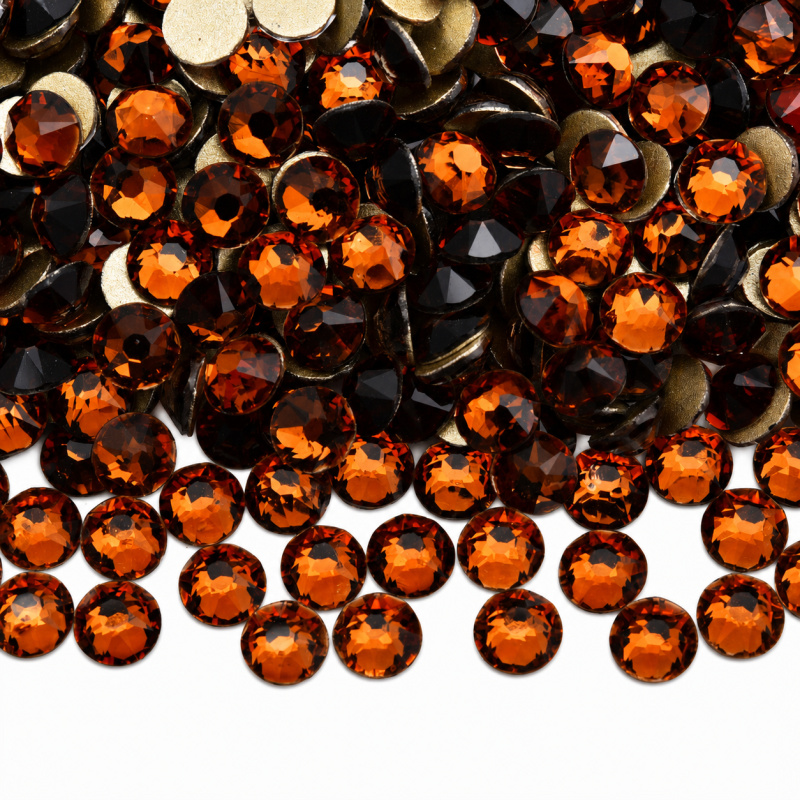
What Are Rhinestones?
Rhinestones are decorative glass or acrylic stones that mimic the appearance of precious gemstones, particularly diamonds. Their name is derived from the Rhine River in Austria, where crystal stones were originally sourced. Today, rhinestones are typically made from a variety of materials, including glass, acrylic, and sometimes even lead crystal, which enhances their brilliance and clarity.
Composition and Production
Glass Rhinestones: These are created by cutting glass into a specific shape and then coating the back with a reflective foil to enhance their shine. They can vary in quality, with higher-end options having a more brilliant sparkle.
Acrylic Rhinestones: Often used in costume jewelry, acrylic rhinestones are lightweight and less expensive than glass. They are molded into shape and can be coated to resemble a diamond's luster.
Lead Crystal Rhinestones: These are made from glass that contains lead oxide, which gives them a higher refractive index and makes them sparkle more than regular glass. They are often used in higher-quality jewelry pieces.
The Comparison with Real Diamonds
While rhinestones can imitate the look of diamonds, there are several key differences between the two:
Material: Diamonds are made of carbon and are the hardest natural substance on Earth. Rhinestones, on the other hand, are made from glass or acrylic, which are far softer and less durable.
Brilliance and Sparkle: Real diamonds have a unique sparkle due to their cut, clarity, color, and carat weight. They also possess a specific refractive index that creates a distinct fire (the dispersion of light into various colors). Rhinestones, while sparkly, generally do not have the same depth of brilliance.
Cost: One of the most significant differences is price. Genuine diamonds can be incredibly expensive, often thousands of dollars per carat. Rhinestones, in contrast, are very affordable, making them accessible to a broader audience.
Value: Diamonds are considered valuable investments that can appreciate over time, whereas rhinestones are primarily decorative items with little to no resale value.

Conclusion
In conclusion, while rhinestones may be considered "fake diamonds" due to their ability to mimic the look of genuine gemstones, they are distinct in their composition, brilliance, and value. They serve a vital role in fashion, providing a beautiful and cost-effective alternative to diamonds. Whether you choose rhinestones for their affordability or simply for their aesthetic appeal, they undoubtedly add a touch of glamour to any ensemble. So, the next time you adorn yourself with sparkling rhinestones, remember that while they may not be diamonds, they certainly have their own charm and allure!
Post time: 10 07,2024
 No. J78-2, Chengbei Road, HouzhaiIndustrial Zone, Yiwu City, ZhejiangProvince,China(Mainland),322000
 008@oleeya.com
 8619898886579