Introduction to Rhinestone Sizes
● Definition of Rhinestones
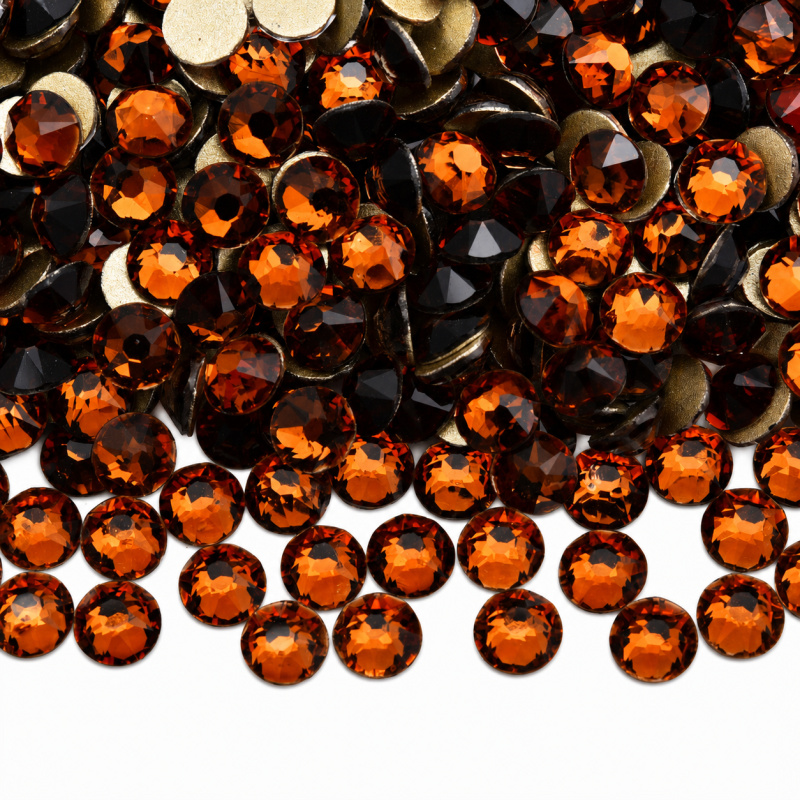
Rhinestones are imitation gemstones crafted from materials such as glass, acrylic, or crystal. They are lauded for their glittering appearance and affordability, making them a popular choice in various industries, from fashion and jewelry to nail art and crafts. Rhinestones come in diverse sizes, shapes, and colors, each lending a unique charm to the final product.
● Common Uses of Rhinestones
Rhinestones are omnipresent in the realm of decorative arts. They adorn clothing, elevate the elegance of accessories, embellish nail art, and are integral to intricate craft projects. Whether used sparingly for a subtle shimmer or lavishly for a dazzling effect, rhinestones serve as a versatile tool for creatives around the world.
Importance of Choosing the Right Size
● Impact on the Overall Design
The size of a rhinestone plays a pivotal role in influencing the aesthetics of the final design. Larger rhinestones, due to their ability to reflect more light, tend to create a more dazzling effect. Conversely, smaller rhinestones allow for more detailed and intricate designs, enabling more subtle and sophisticated embellishments.
● Sparkle and Brilliance Considerations
Size directly affects the brilliance of rhinestones. Larger stones catch and reflect more light, creating a sparkling spectacle that is hard to miss. Smaller stones, while less dazzling on their own, can collectively contribute to an elegant and refined shimmer that enhances the overall design without overpowering it.
Standard Measurements for Rhinestones
● Commonly Used Measurement Units
Rhinestone sizes are typically measured in millimeters (mm) or on specialized scales such as the Stone Size (SS) or Pearl Plate (PP) scales. These units help in standardizing sizes across the industry, ensuring consistency and reliability in selection and application.
● Explanation of SS (Stone Size) and PP (Pearl Plate) Scales
The SS scale is commonly used for round rhinestones, with sizes ranging from SS1 to SS75. Each increment corresponds to a specific diameter in millimeters. The PP scale, often used for smaller stones, measures sizes from PP1 to PP32. Understanding these scales is essential for selecting the right rhinestone size for any given project.
Most Popular Rhinestone Sizes
● Overview of Frequently Used Sizes
Among the array of rhinestone sizes, 2mm rhinestones stand out as the most commonly used. Their small size makes them incredibly versatile, suitable for detailed patterns as well as broader designs when used in abundance.
● Applications for Different Sizes
2mm rhinestones are particularly favored in fashion, nail art, and intricate crafts due to their precision and ease of use. They can be used to create delicate designs or to add a subtle sparkle to larger projects. The popularity of 2mm rhinestones extends to wholesale 2mm rhinestones, custom 2mm rhinestones, and their availability from various 2mm rhinestones manufacturers, factories, and suppliers.
Comparing Large vs. Small Rhinestones
● Pros and Cons of Large Rhinestones
Large rhinestones, due to their size, are highly visible and can make bold statements in fashion and jewelry. They are ideal for creating standout features and focal points. However, their size can also limit their application to areas where they can fit comfortably without overwhelming the design.
● Pros and Cons of Small Rhinestones
Small rhinestones, such as the 2mm variety, are prized for their versatility. They can be used to add intricate details and can be applied in larger quantities to cover significant areas without appearing bulky. The downside is that they may require more time and precision to apply, but the resulting elegance often justifies the effort.

Rhinestone Size and Design Complexity
● How Size Influences Design Intricacy
The size of rhinestones directly affects the complexity of a design. Smaller rhinestones like the 2mm variety allow for more intricate and detailed patterns. They can be used to craft elaborate designs that require precision and subtlety.
● Examples of Detailed vs. Bold Designs
Detailed designs often feature an array of small rhinestones arranged in complex patterns, creating an exquisite, delicate appearance. Bold designs, on the other hand, may use larger rhinestones to create striking, eye-catching effects with fewer stones.
Choosing Sizes Based on Project Type
● Best Sizes for Fashion Design
In fashion, the choice of rhinestone size depends on the desired effect. For detailed embroidery or delicate accents, 2mm rhinestones are ideal. For more prominent embellishments, larger stones can be used to create striking effects on garments and accessories.
● Ideal Sizes for Jewelry and Nail Art
Jewelry and nail art benefit enormously from the use of 2mm rhinestones. Their small size allows for precise application, perfect for intricate jewelry pieces or detailed nail designs. Wholesale 2mm rhinestones and custom options further enhance their adaptability for bespoke projects.
Economic Impact of Rhinestone Size
● Cost Differences Based on Size
The size of rhinestones also influences their cost. Generally, larger rhinestones are more expensive due to the higher material content. However, the cost-effectiveness of smaller rhinestones like the 2mm variety makes them a popular choice for bulk purchases, leading to a thriving market for wholesale 2mm rhinestones.
● Value Perception in Different Markets
In different markets, the perception of value can vary based on rhinestone size. Larger stones may be perceived as more luxurious and desirable, while smaller stones, despite being less expensive, can be seen as offering greater versatility and creative potential.
Tips for Selecting the Perfect Size
● Practical Guidelines for Beginners
For those new to working with rhinestones, starting with a versatile size like 2mm is advisable. These stones are manageable and can be used in a variety of projects, making them a great entry point for beginners.
● Expert Advice on Mixing Sizes for Various Effects
Experts often recommend mixing different sizes to create depth and texture in designs. Combining 2mm rhinestones with larger stones can enhance the visual appeal and create a balanced, dynamic look.
Conclusion
Understanding the common rhinestone sizes and their applications is fundamental to achieving the desired effect in any decorative project. The 2mm rhinestones emerge as a favorite due to their flexibility, affordability, and ease of use. Whether sourced from a 2mm rhinestones manufacturer, factory, or supplier, these small yet impactful stones are a staple in the world of rhinestone embellishments.
● Introducing Oleeya
Oleeya Industry Co., Ltd., established in 2000 and located in Yiwu, Zhejiang, China, is a leading professional manufacturer, exporter, and wholesaler of various rhinestones, including non-hot fix rhinestones, hot fix rhinestones, sew-on rhinestones, and pearls. Offering over 300 colors and an extensive range of sizes, Oleeya provides competitive prices, large stock, fast delivery, and exceptional service. Their products are popular worldwide, exported mainly to America, Europe, South America, and Asia. Dedication to quality control and customer satisfaction are the company’s tenets. For more information, visit Oleeya's website.
Post time: 09 23,2024
 No. J78-2, Chengbei Road, HouzhaiIndustrial Zone, Yiwu City, ZhejiangProvince,China(Mainland),322000
 008@oleeya.com
 8619898886579